How to Decide Between Painted and Wood-Panel Accent Walls
Choosing an accent wall is one of the most impactful, low-commitment ways to change the feel of a room. Between painted and wood-panel accent walls there are trade-offs in cost, aesthetic flexibility, installation complexity, and long-term maintenance. Homeowners, renters, and designers often weigh questions about durability, resale appeal, and whether the project can be a DIY weekend job or requires a contractor. This article breaks down the practical and visual differences between painted and wood panel accent walls so you can match the option to your budget, timeline, and design goals without getting lost in trend-driven hype.
Which option fits your budget and expected lifespan?
Budget considerations are often the first filter when deciding between paint and wood paneling. A fresh painted accent wall can be the most cost-effective route: material costs are low, and a skilled DIYer can complete a project in a day or two. Paint also offers the lowest long-term expense because repainting is inexpensive when tastes change. Wood paneling ranges widely in price depending on material—engineered wood, MDF, reclaimed wood, or solid hardwood—and installation can add labor costs. If you want longevity and a premium finish that ages well, investing in higher-quality wood and professional installation can pay off. For renters or people who like to update frequently, painted accent walls are usually the more economical and flexible choice.
How do aesthetics and design trends compare between paint and wood?
A painted accent wall is a straightforward way to introduce color, pattern, or a focal point. From saturated jewel tones to pastel washes, paint lets you control hue, sheen, and even subtle faux finishes. Trends like color-blocking or geometric patterns are far easier with paint than with other materials. Wood paneling—whether modern vertical planks, classic shiplap, or reclaimed barnwood—adds texture, depth, and a tactile quality that paint can’t fully replicate. Wood can evoke warmth and craftsmanship, and it supports styles from rustic to contemporary depending on profile and finish. While paint follows color trends, wood speaks to material trends and can sometimes carry more perceived value in high-end interiors.
What are the installation and maintenance differences you should know?
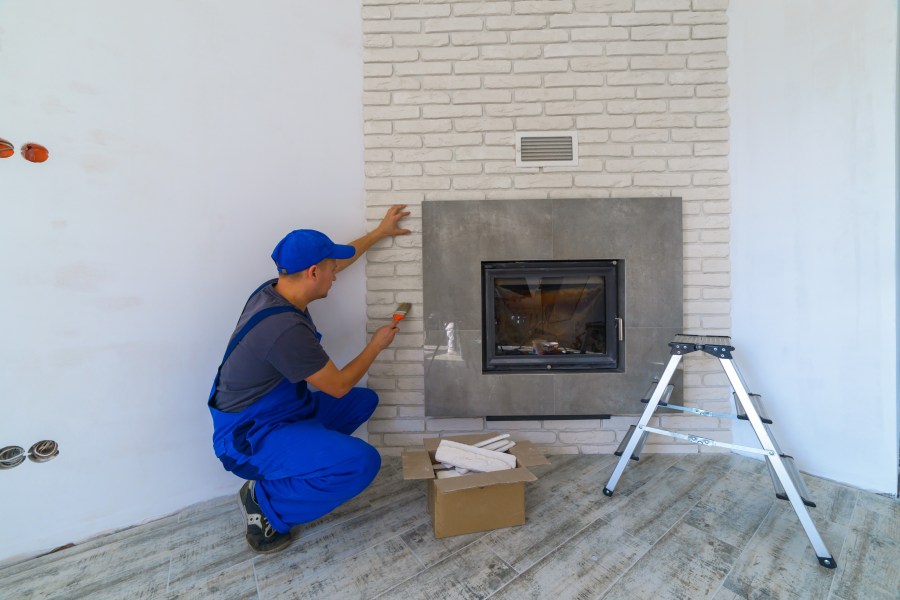
Installation time and complexity differ substantially. A painted accent wall usually involves prepping the surface, priming, and applying two or three coats of paint; it’s suitable for DIYers with basic tools. Wood paneling installation can range from straightforward (peel-and-stick or thin shiplap) to complex (tongue-and-groove hardwood with hidden fasteners), often requiring precise measurement, cutting, and potentially electrical or insulation adjustments. Maintenance also varies: painted walls are easy to touch up or repaint when scuffed, while wood needs occasional dusting, may require refinishing, and can be sensitive to moisture and sunlight. Consider practical upkeep and any necessary moisture barriers, especially in kitchens or bathrooms where humidity can affect wood stability.
How does room function, lighting, and scale influence the choice?
Room purpose and light levels should guide material choice. In compact or poorly lit rooms, a dark-stained wood panel might absorb light and make the space feel smaller; a lighter paint color or pale wood can brighten and visually expand the area. In living rooms or bedrooms where texture and acoustic softness matter, wood paneling can improve sound and add cozy character. For high-traffic areas like hallways, painted walls offer easier cleaning and touch-ups. Consider scale too: tall vertical wood panels can emphasize ceiling height, while a bold painted mural or color field can redirect attention and define a seating area. Match the wall’s material presence to the room’s function and natural light for the strongest result.
Side-by-side comparison: practical features to weigh
Below is a compact comparison to help balance aesthetic, cost, and practical concerns.
| Feature | Paint Accent Wall | Wood Paneling Accent Wall |
|---|---|---|
| Cost (materials & DIY) | Low; paint and supplies are inexpensive | Medium–High; depends on material and labor |
| Installation difficulty | Low; suitable for DIYers | Low–High; peel-and-stick is easy, full paneling may require pros |
| Design flexibility | Very high; unlimited colors and patterns | Moderate; rich texture but limited color without staining/painting |
| Maintenance | Easy to touch up and repaint | Requires refinishing and careful cleaning; moisture-sensitive |
| Resale appeal | Neutral to positive if color choices are tasteful | Often high—quality wood can be a selling feature |
Final considerations for choosing an accent wall
Deciding between painted and wood-panel accent walls comes down to priorities: budget and flexibility favor paint, while texture and a sense of permanence lean toward wood. If you change styles often or rent your space, paint offers low-risk impact. If you want to add architectural interest, improve acoustic warmth, and invest in a feature that can elevate resale value, consider wood—mindful of moisture, installation complexity, and long-term care. Test paint swatches under your room’s light and, if considering wood, request samples or mockups to see scale and grain in context. Planning with these practical lenses will help you make a choice that’s both beautiful and deliberate.
This text was generated using a large language model, and select text has been reviewed and moderated for purposes such as readability.
MORE FROM answerlegend.com