Which States Allow Taller Privacy Fences and Why
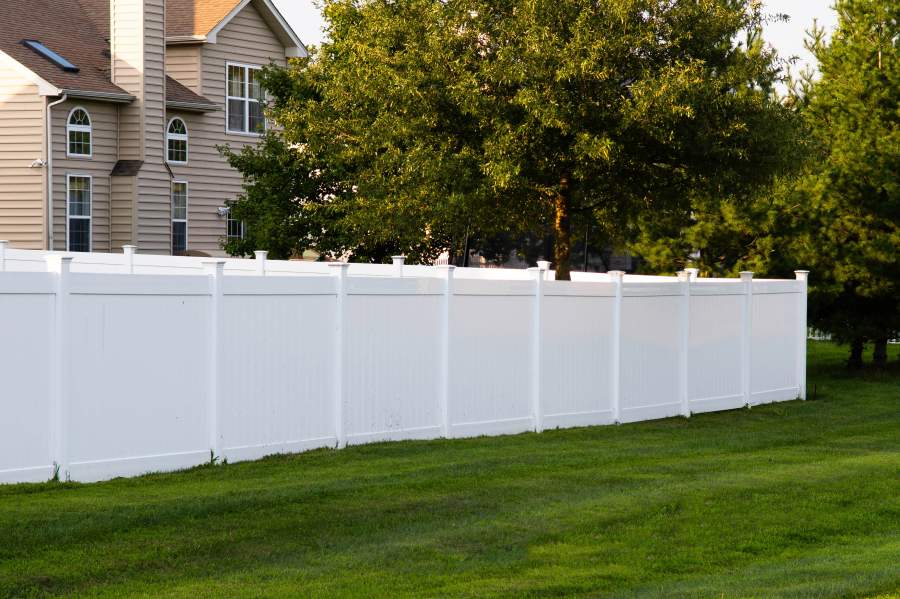
Privacy fences are a common—and visible—feature of residential and commercial properties. Knowing privacy fence height regulations by state matters for homeowners planning a new fence, contractors quoting jobs, and property buyers assessing privacy and security. While some people assume a fence is simply a matter of personal preference, fence height rules are shaped by a mix of state laws, municipal zoning codes, neighborhood covenants, and safety factors such as sightlines and wind loads. This article explains how those rules work in practice, why some states or localities are more permissive about tall privacy fences, and what steps homeowners can take if they want to exceed standard limits without running afoul of local codes or their HOA.
How fence height rules are typically set and enforced
Fence height regulations are rarely uniform at the state level. In most places, states delegate authority to counties, cities, or special districts to adopt zoning and building regulations, so the legally enforceable privacy fence height often comes from local ordinances rather than a statewide statute. Commonly, local codes distinguish between front yard and backyard fences: front-yard heights are lower to preserve street sightlines and neighborhood character, while backyard or side-yard fences allow taller privacy options. Contractors and homeowners should look for terms in their municipal code such as "maximum fence height," "front yard setback," or "visibility triangles," and remember that HOAs and deed covenants can impose additional restrictions even where local code is lenient. Searching for the local zoning or building department's guidance on fence permits is an important first step when considering a privacy fence project.
Why some states and regions are more permissive about taller privacy fences
Regions with lower population density, larger lot sizes, or stronger property-rights traditions tend to be more permissive about taller privacy fences. In many parts of the Sun Belt and Mountain West, for example, 6-foot backyard fences are a common default and local jurisdictions often allow 7–8 foot fences with a permit or engineering review—especially where issues like wind protection, animal control, or wildfire defensibility are factors. Agricultural and rural counties may set few limitations on fence height for practical reasons, while coastal or urban areas use stricter controls to protect views, maintain streetscape aesthetics, and ensure pedestrian safety. When researching privacy fence height limit questions, it's useful to consult the local zoning office about whether permits, structural plans, or neighbor notifications are required for fences taller than the standard limit.
Representative examples: typical local limits and permit conditions
| State / Region | Typical residential maximum | Common conditions or permitting notes |
|---|---|---|
| Texas (many municipalities) | 6 ft common; 8 ft sometimes with permit | Front yards often limited to 3–4 ft; many cities require permits for >6 ft; HOAs vary |
| Florida (coastal cities) | 6 ft typical; higher allowed inland with engineering | Wind-load standards near coast; permits and engineered plans for taller structures |
| California (local control) | Varies widely; 3–6 ft in front yards, 6 ft backyard common | Historic districts and coastal zones impose stricter limits; local zoning controls |
| New York (urban vs. suburban) | Lower in cities (3–4 ft front); suburbs commonly 6 ft | City codes and landmark rules can be restrictive; permits required for taller fences |
| Mountain/Western counties | 6 ft common; 8 ft or more possible in rural areas | Wind and snow loads influence material and height approvals; variance process available |
Note: The table provides typical patterns seen across jurisdictions and is not a substitute for your local code. Exact limits and permit requirements depend on city or county regulations and any applicable HOA covenants.
How to pursue approval for a fence taller than the standard limit
If you need a privacy fence taller than the published maximum, there are common paths to pursue: apply for a building permit with structural plans, request a variance from the zoning board, or seek a conditional use approval if your locality offers one. Municipalities often require documentation that addresses safety—such as engineering calculations for wind load—and how the taller fence will affect sightlines at driveways or intersections. HOAs typically have a separate approval process tied to architectural review; failing to obtain HOA sign-off can lead to fines or orders to alter the fence. Engaging a licensed contractor who understands local fence permitting and a surveyor to confirm property lines can streamline the process and reduce the risk of neighbor disputes.
Practical considerations beyond the law
Choosing the right height is as much about materials, maintenance, and neighborhood relations as it is about legality. Taller fences increase wind load and may require deeper posts, concrete footings, or metal reinforcement—especially in hurricane-prone or high-wind regions—so budgeting for engineering or upgraded materials is prudent. Consider sightlines for drivers and pedestrians to avoid creating safety hazards; many ordinances spell out visibility triangle rules at corners and driveways. Finally, clear communication with neighbors and, when applicable, HOA representatives can prevent complaints and potential enforcement actions. Always confirm the final plan with the local building or zoning department before installation to ensure compliance.
State-level patterns give a useful starting point, but the enforceable rules for privacy fence height are almost always local. Research local zoning and building codes, check for HOA covenants, and plan for the structural demands of taller fences. When in doubt, seek a permit or a variance so your privacy solution is both effective and compliant with the rules in your community.
This text was generated using a large language model, and select text has been reviewed and moderated for purposes such as readability.
MORE FROM answerlegend.com