What Is the Moonlighting Effect and Why It Works
The moonlighting effect in landscape design is a lighting technique that aims to recreate the subtle, diffuse illumination of a natural moonlit night. Rather than bright, direct beams that highlight a single feature, moonlighting borrows from atmospheric conditions—soft shadows, cool color temperatures, and strategic height—to add depth and nighttime usability without overpowering the scene. Gardeners, homeowners, and landscape professionals choose this approach when they want to preserve the ambiance of a yard while enabling safe circulation and accentuating textures like bark, foliage, and stone. Understanding the basic principles of the moonlight effect is important because it influences fixture selection, placement, and the overall narrative of a landscape after dark. Applied thoughtfully, moonlighting can transform a property from a static daytime composition into a layered nocturnal experience that feels natural and comfortable.
How does the moonlighting effect work in landscape lighting?
At its core, the moonlight effect uses downward-directed lights mounted above a landscape plane—usually in the canopy of trees—to emulate the soft, diffuse glow the moon casts. By hanging LED moonlighting fixtures or low-voltage lamps from branches and angling them toward paths, patios, and garden beds, designers create gentle pools of light punctuated by elongated, soft-edged shadows. This approach differs from uplighting and accent lighting in that it prioritizes uniformity and subtlety over high contrast. Lighting technicians often favor cool white color temperatures and narrow-to-medium beam spreads to approximate moonlit shadows without creating glare. The physics are simple: a higher mounting point produces more diffuse illumination across a larger area, while strategically placed fixtures control shadow direction and intensity. That combination is why moonlighting landscape lighting is prized for preserving nighttime ambiance while improving safety and visibility.
What fixtures and placements produce the most convincing moonlighting?
Choosing the right fixtures and mounting heights is essential to achieving a convincing moonlight effect. Low-voltage moonlighting systems using LED fixtures are popular because LEDs provide clean, energy-efficient light and come in varied beam angles and color temperatures. Fixtures designed for tree mounting—compact, directional LED heads with adjustable yokes—allow precise angling from 8–20 feet above the ground. Placement should favor central canopy points where light can cascade downward across paths or seating areas; fixtures spaced too close together create hotspots, while those too far apart lose continuity. Consider wiring and access: low-voltage cabling is easier to route through trees and shrubs than line-voltage, and remote transformers with timers or smart controls enable dusk-to-dawn automation. The right combination of fixture, height, and spacing is what sets apart effective moonlight mimicry from ordinary landscape illumination.
| Fixture Type | Best Use | Typical Mount Height | Beam / Effect |
|---|---|---|---|
| Adjustable LED tree light | General moonlighting over paths/patios | 10–20 ft | Medium beam; soft spread |
| Low-voltage puck/spot | Accent under branches or boughs | 8–12 ft | Narrow beam; sharper shadows |
| Wide angle LED flood | Open lawns or large garden rooms | 15–25 ft | Wide beam; even wash |
Which plants and landscape layers enhance the moonlight illusion?
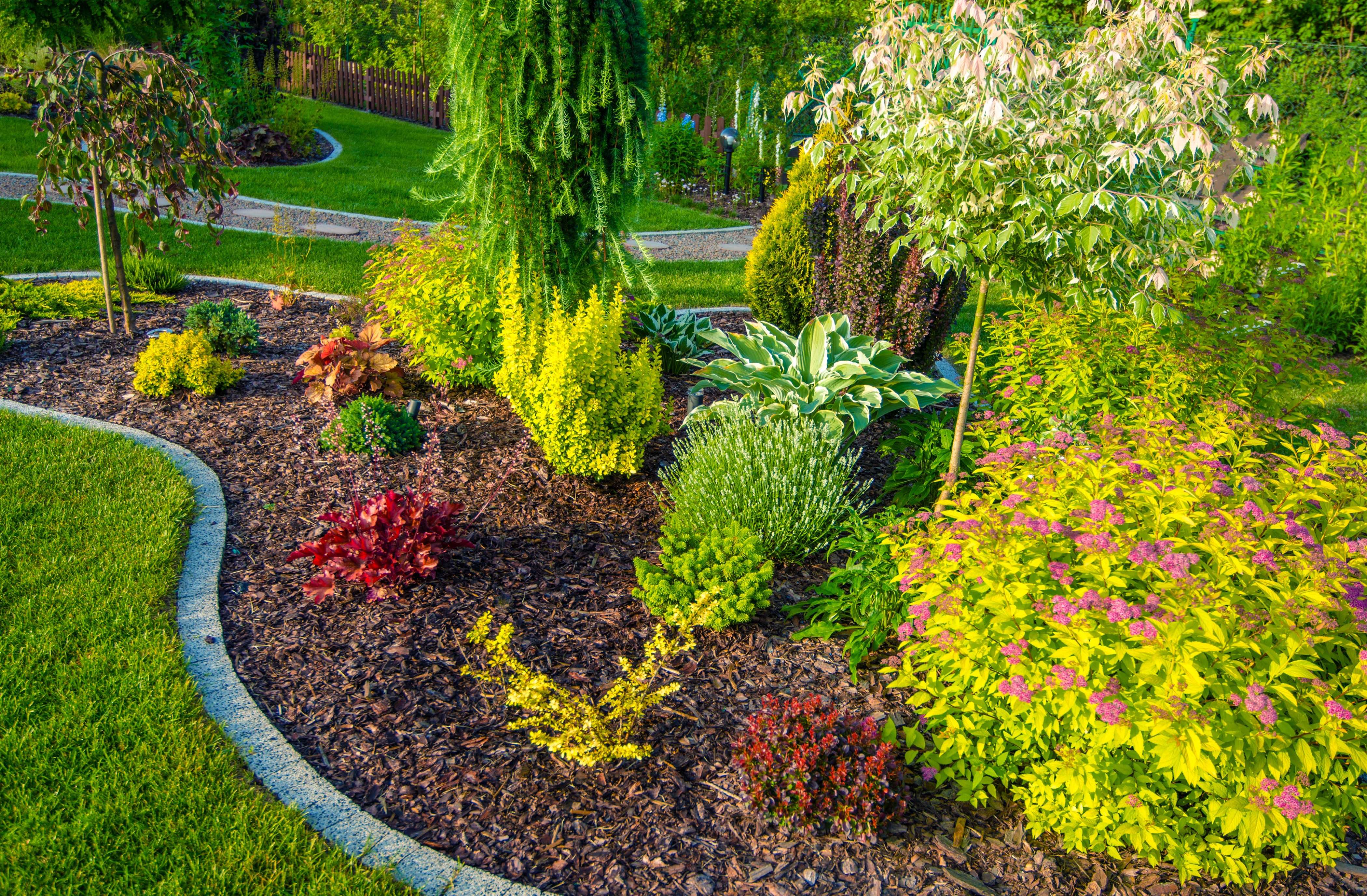
Plant selection and layering play a big role in reinforcing the moonlight effect. Canopy trees with open branching—such as oaks, maples with high limbs, or well-pruned ornamental pears—allow fixtures to be suspended without excessive clutter, producing dappled lighting on lower layers. Use a mix of evergreen and deciduous shrubs to create depth: evergreens hold shape and texture year-round, while deciduous understory plants cast delicate shadows in season. Ornamental grasses and textured groundcovers are especially effective because their movement and fine structure catch low-angle light and produce the soft shadowing associated with moonlight. Designers often pair moonlighting with subtle uplighting for specimen trunks or silhouettes, but when used alone in thoughtful layers, moonlighting landscape lighting emphasizes three-dimensionality and naturalistic rhythm without calling attention to the hardware.
What mistakes to avoid when trying to recreate moonlight?
Several common errors can undermine a moonlighting installation. Placing fixtures too low or using lights that are too bright creates glare and an artificial “spotlight” feel rather than the intended diffuse glow. Overusing high color-temperature LEDs can also produce cold, clinical light that reads as artificial; selecting warm-to-neutral whites (around 2700K–3500K) helps retain a natural tone. Another frequent misstep is ignoring light trespass and local dark-sky considerations—improperly aimed fixtures can create light pollution or disturb neighboring properties. Energy efficiency and control are practical concerns as well: pairing energy-efficient LEDs with dimmers, timers, or smart controls preserves atmosphere while minimizing operating costs. Lastly, poor wiring and unstable mounts can compromise safety and the longevity of the effect, so professional-grade fixtures and proper installation are worth the investment.
Why the moonlighting effect resonates and when to use it
The moonlighting effect works because it taps into a familiar visual memory—the soft, ambient illumination of a moonlit night—while solving practical problems like safety and navigation. Psychologically, subtle, indirect lighting is more comfortable and calming than harsh, direct beams; it enhances wayfinding without dominating the sensory experience. Aesthetically, moonlighting preserves texture and shadow, adding depth and mystery to a landscape that bright washes can flatten. Practically, the technique is adaptable: it suits intimate backyard moonlighting ideas around patios and paths as well as larger estate-scale applications across lawns and garden rooms. Whether your goal is to improve nighttime usability, reduce light pollution, or create a timeless nocturnal palette, moonlighting offers an energy-efficient, design-forward solution that integrates with broader outdoor lighting design tips and long-term landscape planning.
This text was generated using a large language model, and select text has been reviewed and moderated for purposes such as readability.
MORE FROM answerlegend.com