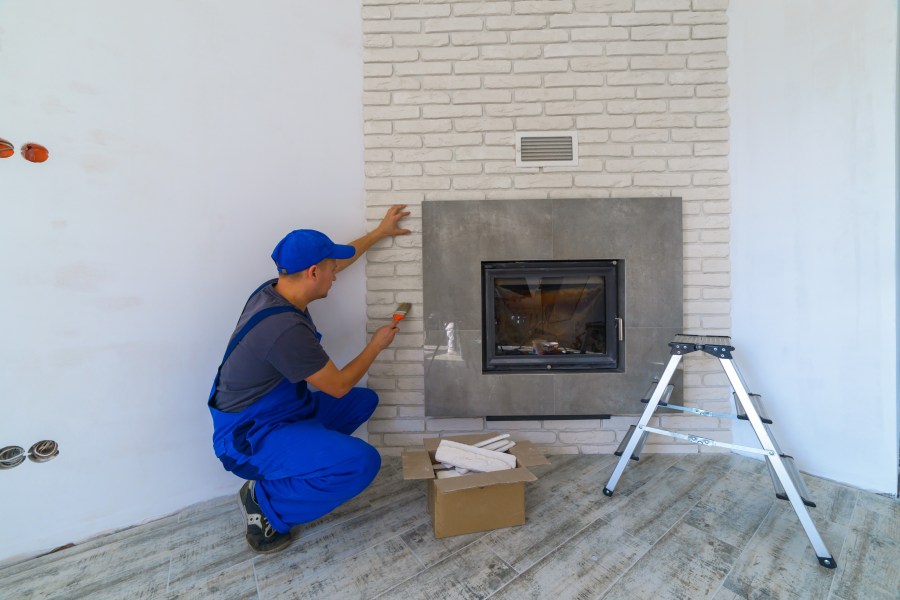
Maintenance and Repair Tips for Stucco Retaining Wall Finishes
Stucco retaining wall finishes combine durability and curb appeal for landscaped slopes, terraces, and garden boundaries. Proper maintenance matters because these finishes must resist soil moisture, freeze–thaw cycles, vegetation pressure and occasional impact — all while preserving color and texture. Neglect can lead to surface problems like hairline cracks, efflorescence, staining and in severe cases structural deterioration where the underlying wall or drainage system is compromised. Understanding routine inspection points, common failure modes, basic repair techniques and the right protective treatments will help homeowners and property managers extend the life of stucco retaining walls and avoid costly replacement. This article outlines practical maintenance and repair tips you can use to keep stucco retaining wall finishes performing and looking their best.
How should you inspect stucco retaining wall finishes each season?
Regular inspections catch small problems before they become structural headaches. Start close-up and from a distance: look for hairline cracks, delamination or flaking, bulges or soft spots, rust stains (which may indicate corroding metal lath), and white powdery efflorescence that signals moisture moving through the wall. Check adjacent grade and drainage: pooling water at the base, clogged gutters, or downspouts pointed at the wall increase hydrostatic pressure. Inspect joints and penetrations where utilities, railings, or posts meet the stucco — these are common water-entry points. Note any new vegetation growth pressing against the finish or roots that could shift the wall. Document issues with photos and dates so you can track progression and decide whether a DIY patch or contractor call is warranted.
What typically causes damage to stucco on retaining walls?
Most damage to stucco retaining wall finishes stems from moisture, movement and poor initial detailing. Moisture intrusion accelerates deterioration: when water enters behind the stucco it can cause rusting of lath, freeze–thaw spalling, and biological staining. Movement of the retaining wall — from settling, earth pressure, or root growth — creates cracks if there aren’t adequate control joints or flexible connections. Improper installation also plays a role: lack of a proper weather-resistive barrier, missing flashing or weep screeds, inadequate curing and use of non-breathable paints can trap moisture. Environmental factors like salt exposure and UV can fade finishes and break down sealants. Understanding these causes points to the right preventive steps: control water, allow drainage, and use breathable, compatible products.
How do you repair hairline cracks, chips and surface flaking safely?
For cosmetic issues and small surface defects, start with thorough cleaning: remove loose material with a soft-bristle brush, pressure-wash at low settings if needed, and let the wall dry fully. Hairline cracks can often be sealed with an exterior-grade acrylic caulk or a thin polymer-modified cement patch designed for stucco; widen very fine cracks slightly with a utility knife so the repair material keys in. For larger cracks, chips or areas of delamination you may need to remove loose stucco back to sound material, inspect the lath and substrate for rust or rot, apply a bonding agent, then rebuild the base coat and finish coat, matching texture and pigment as you go. Use flexible control-joint sealants at construction joints. If the repair exposes structural problems, corroded lath, or ongoing moisture infiltration, stop and consult a qualified stucco contractor — addressing the underlying cause is essential to prevent recurrence.
Which products protect stucco retaining wall finishes and which should be avoided?
Choose breathable, water-repellent products formulated for masonry. Silicone-based water repellents and silane/siloxane sealers penetrate the surface and repel liquid water while allowing vapor to escape — a critical property for stucco over a moisture-prone retaining wall. Elastomeric coatings can bridge small cracks but are best reserved for properly prepared, well-drained walls because they are thicker and less vapor-permeable than penetrating sealers. Avoid non-breathable impermeable paints or coatings that trap moisture behind the stucco, which can accelerate freeze–thaw damage and blistering. For repairs, use polymer-modified patching compounds and stucco blends compatible with the existing finish; mismatched materials can lead to adhesion failures and visible patch lines. Proper flashing, weep screeds, and expansion joints help products perform as intended.
What maintenance schedule will keep stucco retaining wall finishes functional and attractive?
Routine maintenance minimizes long-term costs and preserves function. Inspect walls twice a year and after major storms, clean stains as they appear, and perform minor patching promptly. Major resealing with a breathable masonry water repellent may be appropriate every 3–7 years depending on exposure. When movement-related cracks, bulging sections, recurring efflorescence, or persistent moisture are evident, arrange a professional assessment. Use the table below as a practical checklist to set expectations and budget for preventive work.
| Task | Frequency | Purpose |
|---|---|---|
| Visual inspection and photo log | Every 6 months and after storms | Detect cracks, stains, efflorescence and drainage issues early |
| Clean surface stains (mildew, dirt, efflorescence) | As needed; typically annually | Restore appearance and identify hidden damage |
| Seal control joints and minor cracks | Annually or as cracks appear | Prevent water entry and crack propagation |
| Apply breathable water repellent | Every 3–7 years depending on exposure | Reduce moisture penetration while allowing vapor transmission |
| Professional inspection/major repairs | As needed; immediately for structural signs | Address underlying causes like drainage, lath corrosion or wall movement |
When should you call a professional and how does proper care preserve value?
Engage a qualified stucco contractor or structural engineer when you observe bulging panels, large horizontal or stair-step cracks, widespread spalling, rusted lath, or persistent moisture problems that return after repairs. Professionals can assess whether issues are aesthetic or symptomatic of failing drainage, inadequate flashing, or wall movement — conditions that require corrective work beyond surface patching. Proper, timely maintenance preserves the visual appeal and functional performance of retaining wall finishes, protecting landscape investments and preventing more disruptive and expensive interventions later. Routine attention to drainage, selective repairs with compatible materials, and choosing breathable protective treatments will keep stucco retaining wall finishes durable and attractive for many years.
This text was generated using a large language model, and select text has been reviewed and moderated for purposes such as readability.
MORE FROM answerlegend.com