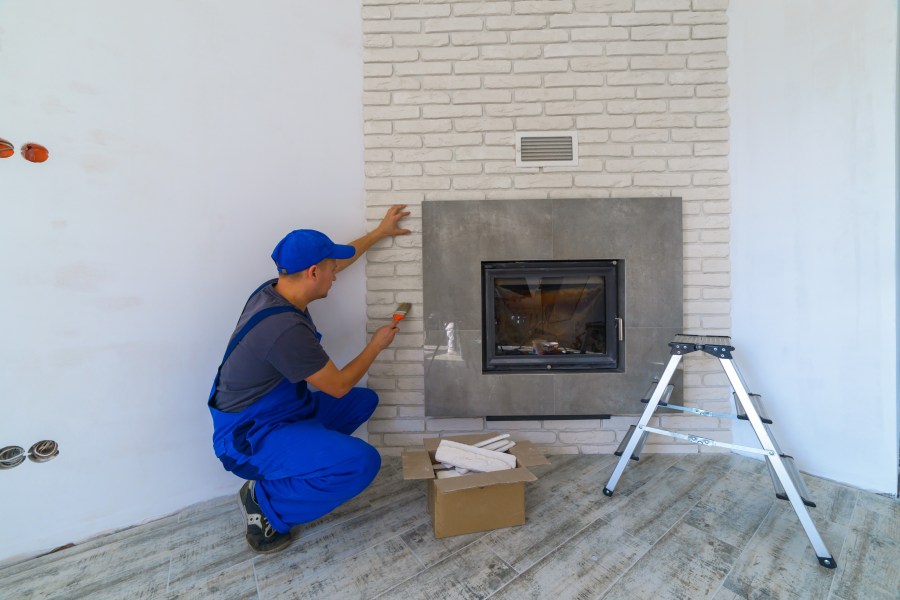
5 essential upgrades for outdoor kitchens with pizza oven kits
Pizza oven kits for outdoor kitchens have surged in popularity among homeowners who want restaurant-quality pies at home without a custom-built masonry oven. These modular kits—ranging from lightweight stainless-steel inserts to full ceramic dome packages—offer an accessible entry point to wood-fired or gas-fired cooking in a backyard environment. Choosing the right upgrades for a pizza oven kit matters because initial kit performance can be transformed significantly by improvements to the base, insulation, fuel system and weatherproofing. Thoughtful upgrades not only improve cooking consistency and heat retention but also make the oven safer, easier to use, and more durable against the elements. This article walks through five essential upgrades to consider when integrating a pizza oven kit into an outdoor kitchen, helping you make decisions that match your layout, budget, and cooking goals without getting lost in technical jargon or unrealistic promises.
Which pizza oven kit suits your outdoor kitchen layout and needs?
Choosing the right pizza oven kit is the first step before committing to upgrades, and several practical factors determine which kit integrates best with your outdoor kitchen. Consider footprint and weight—some kits are designed as lightweight steel shells that require a solid countertop or cart, while refractory dome kits demand a sturdy masonry base or insulated platform because of their mass. Decide on fuel type: wood-fired kits deliver that classic char and flavor but need space for fuel storage and ventilation, while gas or hybrid kits provide easier temperature control and faster heat-up. Think about clearances and nearby materials: combustible countertops, overhead pergolas, and proximity to trees influence chimney placement and required shielding. Finally, plan for utilities—gas hookups, electrical lines for lighting or temperature controllers, and a proper drainage slope for cleaning will affect which upgrades are most worthwhile for long-term usability.
Upgrade your oven base and surround for superior heat retention
A common limiting factor for kit ovens is the base. Many kits include a basic steel support or thin base that sacrifices thermal mass and makes it difficult to maintain steady temperatures for extended cooking sessions. Upgrading to an insulated, high-mass base—using materials such as dense refractory concrete, firebrick, or a layer of perlite/cement insulation topped with a refractory floor—greatly improves heat retention and reduces fuel consumption. A properly designed base creates even cooking across the oven floor, which is critical for consistent pizza crusts. Consider adding a finished surround or countertop in heat-resistant materials like stone, concrete or stainless steel to create a functional workspace and protect adjacent cabinetry. These base upgrades also help secure the kit in a built-in configuration, making the oven feel like a permanent outdoor kitchen appliance rather than a temporary add-on.
Is adding gas ignition and digital temperature controls worth the cost?
For many home cooks the leap from manual fire management to a controllable, repeatable system is transformative. Adding a gas ignition kit or converting to a hybrid fuel system lets you preheat quickly and dial in steady cooking temperatures with less supervision—useful for casual weeknight pizzas and multi-dish outdoor entertaining. Digital temperature probes and thermostatic controls reduce guesswork; they can monitor the dome and floor temps and help you manage burn cycles more precisely. While these upgrades add upfront cost, they often pay off in convenience and reduced fuel waste. If you prefer the ritual of wood fire, consider a hybrid setup where a gas burner is used for fast preheating and the wood is added for flavor during peak cooking, giving you the best of both worlds.
What weatherproofing and safety upgrades should be non-negotiable?
Outdoor kitchens face sun, rain, wind and seasonal freeze-thaw cycles, so weatherproofing a pizza oven kit is essential for longevity. Start with a proper chimney cap and spark arrestor to prevent downdrafts and reduce ember escape—these are critical when the oven will be used near decking or dry landscaping. High-temperature sealants and stainless-steel flashing where the oven meets countertops prevent water ingress that can crack refractory materials. A fitted, breathable cover protects against rain while allowing trapped moisture to escape; avoid plastic tarps that can trap condensation. For safety, install GFCI-protected power for nearby lights or electronic controls, make sure any gas lines are installed and pressure-tested by a licensed professional, and provide a stable, non-combustible work area to eliminate accidental contact with hot surfaces.
Top accessories and how they compare
Accessories extend the functionality of a pizza oven kit and influence which upgrades are most valuable. Essentials include a proper pizza peel (for loading and turning), a quality oven brush, a high-accuracy infrared thermometer for surface checks, and a pizza stone or hearth surface compatible with your kit. Consider adding an insulated oven door to retain heat between bakes and a built-in shelf or storage for fuel. The table below compares common upgrades by benefit, typical cost range and installation complexity to help you prioritize based on budget and skill level.
| Upgrade | Primary Benefit | Typical Cost Range (USD) | Installation Complexity |
|---|---|---|---|
| Refractory insulated base | Improves heat retention and cooking consistency | $300–$1,500 | Moderate to High (masonry skills often required) |
| Gas burner / hybrid conversion | Faster preheat and temperature control | $250–$1,200 | Moderate (professional gas hookup recommended) |
| High-temp insulation blanket | Increases dome retention and reduces heat loss | $50–$300 | Low (typically DIY) |
| Chimney cap and spark arrestor | Safety, draft control, ember containment | $50–$400 | Low to Moderate |
| Stainless steel surround / countertop | Durability and easy cleaning | $400–$3,000+ | Moderate to High (fabrication may be required) |
How to prioritize upgrades and plan your budget for lasting results
Prioritizing upgrades depends on how you plan to use the oven: frequent entertainers should invest first in a durable insulated base and reliable fuel controls, while casual users might prioritize weatherproofing and a good set of tools. Begin by assessing safety and structural needs—addressing clearance, chimney function and a solid foundation prevents costly repairs later. Next, target heat retention (base, insulation blanket) to improve cooking quality before adding convenience upgrades like digital controllers or stainless surrounds. Create a phased budget that groups structural and safety upgrades into the first phase and accessories or aesthetic finishes into subsequent phases. Solicit estimates for any professional work, and always consult product manuals and local codes for gas or electrical work. Thoughtful planning yields a pizza oven setup that performs reliably and becomes the focal point of your outdoor kitchen for years to come.
This text was generated using a large language model, and select text has been reviewed and moderated for purposes such as readability.
MORE FROM answerlegend.com