5 Signs Your Air Conditioner Has a Refrigerant Leak
A refrigerant leak in an air conditioning system can quietly erode comfort and efficiency while increasing energy bills and stressing components. Refrigerant itself doesn’t burn, but it circulates heat away from your home; when levels fall the system struggles, which can cause the compressor to overwork and shorten the life of expensive parts. Detecting a leak early is important both to restore cooling performance and to avoid larger repairs. This article outlines the common signs technicians and homeowners see when an AC is losing refrigerant, what those signals mean, and the immediate steps you should take when you suspect a leak. Understanding these indicators helps you decide when to call a certified HVAC professional for refrigerant leak detection and repair.
Why your AC is cooling less: decreased airflow and uneven temperatures
One of the first and most noticeable signs of a refrigerant leak is diminished cooling capacity. Rooms that used to cool quickly take much longer, and some areas of the house may remain warm while others are cool. This uneven cooling happens because lower refrigerant reduces heat transfer at the evaporator coil, so the system can’t remove as much heat from indoor air. Homeowners often interpret this as a problem with airflow, but the root cause can be a leak. When you combine low cooling output with longer run times and a lack of ice formation where expected, refrigerant leak detection should be on your checklist.
Weird sounds or ice buildup on evaporator coils point to refrigerant loss
Audible signs include a faint hissing or bubbling near indoor coils or refrigerant lines, often more pronounced when the system cycles on and off. That sound is the refrigerant escaping under pressure. Conversely, low refrigerant can cause the evaporator coil to become too cold and accumulate frost or thick ice. Ice on the coil will further restrict airflow and worsen cooling problems; when you see ice, turn the system off to thaw the coil and call a technician. Technicians use electronic leak detectors, UV dye, or nitrogen pressure testing to locate the exact source after visual or audible clues suggest a leak.
Higher energy bills and more frequent cycling signal hidden leaks
If your monthly electric costs jump without a change in thermostat settings or household use, a refrigerant leak could be the culprit. As refrigerant levels drop, the compressor runs longer to reach set temperatures, increasing energy consumption and wear. You may also notice short cycling—rapid on/off periods—as the system struggles to keep up. Both patterns are common search queries when homeowners suspect their AC is inefficient: phrases like AC refrigerant leak detection and AC losing refrigerant are often used when researching why energy costs rise. Tracking runtime and bills alongside the other physical signs helps technicians confirm the diagnosis.
Visible oil, stains, or unusual odors near lines or equipment
Refrigerant systems carry a small amount of lubricant oil with the refrigerant; a leak often leaves oily residue or stains around service ports, line sets, or indoor coils. While most modern refrigerants are essentially odorless, oil leakage can produce a faint chemical smell. Finding oil or corrosion around fittings is a practical clue for where to start leak detection. Homeowners sometimes report a sweet or sharp odor, but because perception varies and many refrigerants lack a strong smell, visual inspection and professional testing remain the reliable methods to confirm a refrigerant leak.
How professionals test and repair leaks: what to expect
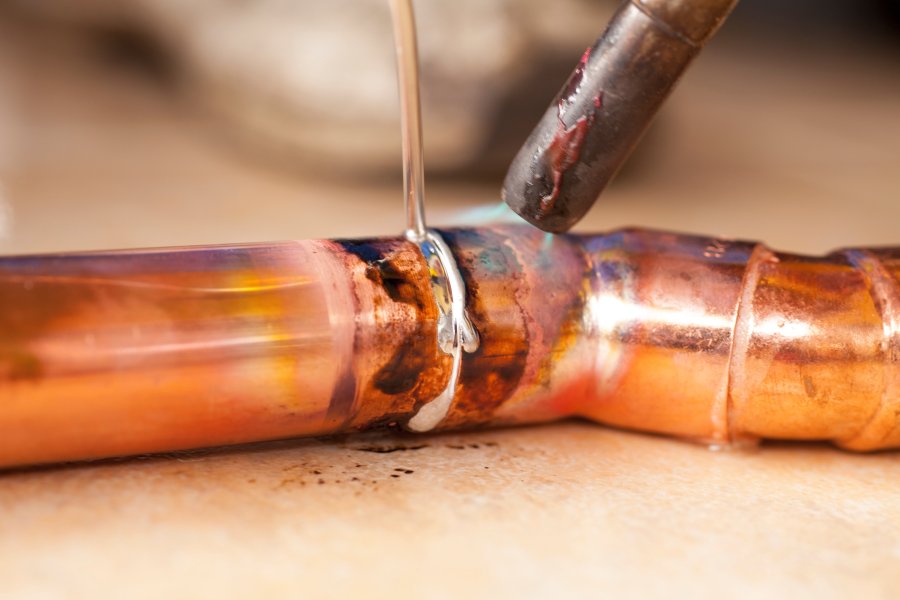
Licensed HVAC technicians use several tools and procedures for refrigerant leak detection: electronic sniffer detectors, UV dye systems, soap bubble tests for accessible joints, and pressurization with dry nitrogen to isolate leaks. If a leak is confirmed, the technician will recommend repair options that might include swapping out sections of line set, replacing valves or coils, or in severe cases, replacing the outdoor unit. It’s important to note that handling refrigerants is regulated; EPA certification is required to purchase and apply many refrigerant types, so DIY recharging is both illegal in some jurisdictions and potentially unsafe. The right course usually pairs a leak repair with proper evacuation, vacuuming, and exact refrigerant charge to manufacturer specifications.
| Sign | Likely cause | Immediate action |
|---|---|---|
| Reduced cooling/uneven rooms | Low refrigerant charge; inefficient heat exchange | Note affected zones; call for refrigerant leak detection |
| Hissing sounds or bubbling | Active refrigerant leak | Turn off system and schedule professional inspection |
| Ice on evaporator coil | Insufficient refrigerant leading to coil freeze | Shut down unit to thaw, then arrange technician visit |
| Oily residue or stains | Lubricant escaping with refrigerant | Do not disturb; document and call certified HVAC tech |
Costs, regulations, and when to repair versus replace
Repair costs vary depending on the leak location, complexity, and whether replacement parts are necessary. Small line leaks or connections may be affordable to fix, while internal coil leaks can be costly and sometimes justify replacing the evaporator or the entire system. Refrigerant type influences cost too—older R-22 systems are more expensive to replenish due to phase-out and limited supply, making replacement economically sensible in many cases. Ask your technician for a clear repair estimate that separates leak detection, parts, labor, and refrigerant recharge so you can weigh the options objectively.
Next steps if you suspect a leak and final considerations
If you suspect an AC refrigerant leak, prioritize safety and accuracy: avoid attempting to add refrigerant yourself, document symptoms (noises, visible oil, energy usage), and contact a licensed HVAC professional for electronic leak detection and repair. Early detection often limits damage to the compressor and other components, improves energy efficiency, and prevents larger bills later. Regular preventive maintenance—annual tune-ups, filter changes, and inspection of line insulation—reduces the likelihood of leaks and helps technicians catch small issues before they escalate. Treat refrigerant leaks seriously: they erode comfort, efficiency, and system life, and they require certified handling to resolve correctly.
This text was generated using a large language model, and select text has been reviewed and moderated for purposes such as readability.
MORE FROM answerlegend.com